
Lock and key problems rarely happen at convenient times. Whether you're standing outside your home at midnight, dealing with a broken key, or concerned about your property's security, knowing when to call a professional locksmith can save you time, money, and significant stress. Many people attempt DIY solutions that often lead to more damage and higher repair costs. Understanding the right time to contact a locksmith professional ensures your security needs are handled correctly the first time.
Understanding When You Need a Locksmith
Recognizing the situations that require professional locksmith services helps you avoid common mistakes that homeowners and business owners make. While some lock issues seem minor, they often indicate larger security concerns that need expert attention.
Emergency Lockout Situations
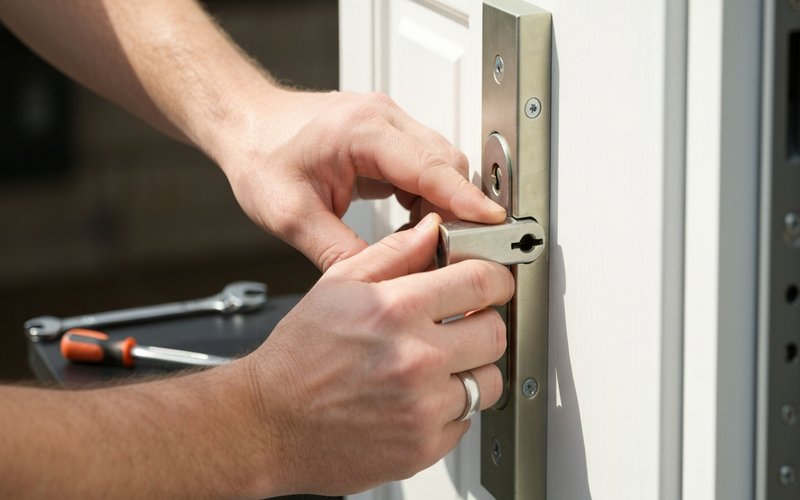
Lockouts are among the most common reasons people contact locksmiths. If you're locked out of your home, car, or business, a professional locksmith can provide quick access without damaging your property. Attempting to force entry yourself often results in damaged locks, broken door frames, or even personal injury.
Residential lockouts happen more frequently than most people realize. You might have lost your keys, left them inside, or experienced a lock malfunction. Rather than breaking a window or damaging your door, calling a professional ensures safe entry while preserving your property's integrity.
Vehicle lockouts require specialized skills and tools. Modern cars have sophisticated locking systems and security features that make DIY entry nearly impossible without causing damage. Professional locksmiths have the equipment and expertise to unlock your vehicle safely, regardless of make or model.
Business lockouts can impact your operations and revenue. If employees are locked out or security systems malfunction, immediate professional assistance minimizes downtime and maintains your business continuity.
Broken or Damaged Keys
Keys break for various reasons—wear and tear, forcing a sticky lock, or using excessive pressure. When a key breaks off inside a lock, never attempt to extract it yourself with household tools. Improper extraction attempts can push the broken piece deeper into the lock mechanism, making professional removal more difficult and expensive.
A professional locksmith has specialized extraction tools designed to remove broken key fragments without damaging the lock cylinder. They can also create replacement keys on-site, ensuring you regain access quickly.
If your keys are worn, bent, or showing signs of deterioration, contact a locksmith before they break. Preventive key replacement is far more convenient and cost-effective than dealing with emergency extractions.
Malfunctioning Locks
Locks don't last forever. If you're experiencing difficulty turning your key, locks that stick or jam, or keys that won't insert smoothly, these are warning signs of lock failure. Continuing to use malfunctioning locks can lead to complete failure, leaving you locked out at an inconvenient time.
Weather exposure, age, and regular wear cause internal lock components to deteriorate. A professional locksmith can assess whether your locks need lubrication, adjustment, or complete replacement. They'll also identify any security vulnerabilities that worn locks create.
Smart locks and electronic access systems require specialized knowledge when they malfunction. Battery failures, programming errors, or connectivity issues need professional diagnosis and repair to maintain your security.
Security Upgrades and Assessments
Beyond emergency situations, proactive locksmith services significantly enhance your property's security. Understanding when to upgrade your security systems protects your family, employees, and assets.
Moving Into a New Property
One of the most important times to call a locksmith is immediately after moving into a new home or business location. You have no way of knowing how many copies of existing keys are in circulation. Previous owners, tenants, contractors, real estate agents, or maintenance workers may all have keys.
Rekeying or replacing all locks should be your first priority when occupying a new property. This ensures complete control over who has access to your space. A professional locksmith can rekey your existing locks if they're in good condition, which is typically more affordable than complete replacement.
For business properties, consider implementing a master key system that allows different access levels for various employees while maintaining administrative control. A professional locksmith can design and install these systems according to your specific needs.
After a Break-In or Security Breach
If your property has been burglarized or you've experienced any security breach, immediately contact a locksmith. Beyond repairing or replacing damaged locks, a professional security assessment identifies vulnerabilities that criminals exploited.
Locksmiths can recommend and install high-security locks, deadbolts, and reinforced strike plates that significantly increase resistance to forced entry. They can also assess window locks, garage door security, and other potential entry points.
After a break-in, many insurance companies require professional lock replacement or rekeying. Keep all receipts and documentation for insurance claims and potential tax deductions.
Lost or Stolen Keys
When keys are lost or stolen, the security implications go beyond simple inconvenience. If your keys had identifying information or someone knows where you live or work, your property is vulnerable. Rekeying or replacing locks eliminates the security risk.
For businesses, lost keys by employees require immediate action, especially if they had access to sensitive areas. A locksmith can quickly rekey affected locks and issue new keys to authorized personnel.
Many modern locksmiths offer key control systems that prevent unauthorized key duplication. These high-security keys require special authorization for copying, giving you better control over access to your property.
What Are Common Locksmith Services?
Professional locksmiths offer comprehensive services that extend far beyond simple lockouts. Understanding the full range of available services helps you maximize your property's security and functionality.
Residential Locksmith Services
Homeowners benefit from numerous locksmith services designed to enhance security and convenience. Lock installation, rekeying, and replacement are fundamental services that address both security concerns and aesthetic preferences.
Deadbolt installation significantly improves home security. Professional locksmiths ensure proper installation that maximizes the deadbolt's effectiveness. Improperly installed deadbolts provide a false sense of security while remaining vulnerable to forced entry.
Smart lock installation and programming have become increasingly popular. These systems offer keyless entry, remote access control, and integration with home automation systems. Professional installation ensures proper function and security.
Safe installation and opening services help protect valuables, important documents, and firearms. Locksmiths can recommend appropriate safes for your needs and ensure they're properly secured to your property.
Window lock installation and security assessments address often-overlooked entry points. Ground-level and easily accessible windows require adequate security measures to deter break-ins.
Commercial Locksmith Services
Businesses have unique security requirements that demand specialized locksmith expertise. Access control systems allow businesses to monitor and control who enters different areas of their facilities. These systems can include key card access, biometric scanners, or numeric keypads.
Master key systems provide hierarchical access control, allowing managers and owners to access all areas while restricting employee access to specific zones. Professional locksmiths design these systems to match your organizational structure and security needs.
Panic bars and emergency exit devices must comply with fire codes and safety regulations while maintaining security. Licensed locksmiths understand these requirements and ensure compliant installation.
High-security lock installation protects sensitive areas such as server rooms, inventory storage, or executive offices. These locks resist picking, drilling, and other common bypass methods.
Regular security audits by professional locksmiths identify vulnerabilities before they're exploited. These assessments include physical security, access control effectiveness, and employee compliance with security protocols.
Automotive Locksmith Services
Modern vehicles require specialized locksmith services due to advanced security features and electronic systems. Car key replacement has become increasingly complex with transponder keys, proximity fobs, and push-button start systems. Professional automotive locksmiths have the programming equipment necessary to create and program these sophisticated keys.
Ignition repair and replacement services address issues beyond simple key problems. Worn ignition cylinders, damaged tumblers, or electronic failures require diagnostic expertise and specialized tools.
Trunk opening services provide access without damaging your vehicle's paint or lock mechanisms. Whether you've locked keys in the trunk or experienced a trunk lock failure, professional assistance prevents costly damage.
Many locksmiths offer mobile services, coming to your location rather than requiring towing. This convenience saves time and money while getting you back on the road quickly.
Essential Qualities of a Reliable Locksmith
Choosing the right locksmith protects you from scams, poor workmanship, and security vulnerabilities. Understanding what to look for ensures you receive professional, trustworthy service.
Licensing and Insurance
Professional locksmiths maintain proper licensing as required by local and state regulations. In Pennsylvania, legitimate locksmith businesses carry appropriate business licenses and insurance coverage. This protects you from liability if accidents occur during service.
Insurance coverage demonstrates a locksmith's commitment to professionalism and accountability. It ensures that any damage to your property during service will be covered, giving you peace of mind.
Always ask for proof of licensing and insurance before allowing work to begin. Legitimate professionals willingly provide this information, while scammers typically cannot or will not.
Local Presence and Reputation
Established local locksmiths have reputations to maintain within their communities. They invest in long-term customer relationships rather than one-time transactions. McKinley Locksmith, serving the Elkins Park area, exemplifies this commitment to community and customer satisfaction.
Local businesses can be easily verified through online reviews, Better Business Bureau ratings, and community references. Check multiple sources to get a comprehensive picture of a locksmith's reputation.
Beware of national call centers that dispatch unvetted contractors. These operations often have no local presence and little accountability for service quality or customer satisfaction.
Transparent Pricing
Reputable locksmiths provide clear pricing information upfront. They offer estimates before beginning work and explain any factors that might affect the final cost. While exact quotes may not always be possible without seeing the job, legitimate professionals give honest price ranges.
Understanding typical locksmith costs helps you identify unreasonable pricing. Service calls, labor rates, and parts costs should be clearly explained. Any additional charges for emergency service, after-hours calls, or complex jobs should be disclosed immediately.
Written estimates and invoices protect both you and the locksmith. Insist on documentation that details all services performed and charges incurred.
Professional Tools and Equipment
Legitimate locksmiths arrive with professional vehicles, proper tools, and company identification. Their equipment should appear well-maintained and appropriate for locksmith work.
Unmarked vehicles, generic tools, or lack of proper identification suggest unprofessional or potentially fraudulent service providers. Professional locksmiths invest in their equipment and brand identity.
Specialized tools for different lock types, key cutting equipment, and programming devices indicate a full-service professional locksmith operation.
How Do You Find a Good Locksmith?
Finding a trustworthy locksmith before you need one prevents hasty decisions during emergencies. Taking time to research and vet locksmiths ensures you have reliable service when lock and key problems arise.
Research Before You Need Emergency Service
The best time to find a locksmith is before you face a lockout or security emergency. Research local locksmiths, read reviews, and save contact information for future reference. Having a trusted locksmith's number readily available eliminates stress during emergencies.
Check online reviews across multiple platforms—Google, Yelp, Facebook, and industry-specific sites. Look for patterns in customer feedback rather than focusing on single reviews. Pay attention to how businesses respond to negative reviews, as this demonstrates their commitment to customer satisfaction.
Ask friends, family, and neighbors for recommendations. Personal referrals from trusted sources often lead to reliable service providers who have proven themselves within your community.
Contact your insurance company or property management company for approved locksmith lists. These organizations typically vet service providers and may have negotiated rates.
Verify Credentials
Before hiring any locksmith, verify their business credentials. Check that they have a physical business address rather than just a phone number or post office box. Legitimate businesses maintain actual locations where customers can find them.
Search for the company name and look for consistency across websites, social media, and business listings. Scammers often use multiple names and fake addresses to appear legitimate.
Check with the Better Business Bureau for complaints, ratings, and business verification. While not all legitimate businesses are BBB members, the organization provides valuable information about business practices and customer satisfaction.
For automotive work, verify that the locksmith has specific experience with your vehicle's make and model. Modern cars require specialized knowledge that not all locksmiths possess.
Ask the Right Questions
When contacting a locksmith, ask specific questions to assess their professionalism and capabilities. Inquire about their experience with your specific lock type or security system. Specialized knowledge ensures efficient service without unnecessary damage.
Request information about their response time, especially for emergency services. While exact timing depends on location and traffic, professional locksmiths provide realistic estimates.
Ask about pricing structure, including service call fees, labor rates, and typical costs for common services. Legitimate locksmiths discuss pricing openly without pressure tactics.
Inquire about warranty or guarantee policies for their work. Quality locksmiths stand behind their services and products with appropriate warranties.
How Much Should a Locksmith Cost Per Hour?
Understanding typical locksmith pricing helps you budget for services and identify unreasonably high or suspiciously low quotes. Locksmith costs vary based on service type, time of day, and job complexity.
Standard Service Rates
Locksmith hourly rates typically range from $50 to $100 for standard service during regular business hours. However, many locksmiths charge per service rather than hourly, especially for common tasks like rekeying or basic lockouts.
Simple lockout services generally cost between $75 and $150, depending on lock type and access difficulty. Residential lockouts are typically less expensive than automotive or commercial lockouts due to simpler lock mechanisms.
Rekeying services usually cost $20 to $30 per lock cylinder, though many locksmiths offer volume discounts when rekeying multiple locks. This is significantly less expensive than complete lock replacement.
Lock installation costs vary widely based on lock type and quality. Basic residential deadbolts might cost $100 to $200 installed, while high-security locks or smart lock systems can range from $300 to $500 or more.
Do Locksmiths Have a Call Out Fee?
Most professional locksmiths charge service call fees, typically ranging from $50 to $100. This fee covers the locksmith's travel time and basic assessment of your situation. Service call fees are usually applied toward the total service cost rather than charged separately.
Service call fees are reasonable and standard industry practice. They compensate professionals for their time and ensure customers are serious about needing service. However, excessively high service fees—especially those not disclosed upfront—indicate potential scams.
Emergency and after-hours service typically costs more than standard service. Nights, weekends, and holidays may incur additional fees of 50% to 100% above regular rates. Legitimate locksmiths clearly communicate these charges before dispatching a technician.
Some locksmiths waive service call fees for certain services or customer situations. Ask about current promotions or fee structures when calling for service.
Factors Affecting Locksmith Costs
Several factors influence final locksmith costs beyond basic service rates. Lock complexity significantly affects pricing—high-security locks, electronic systems, and specialty mechanisms require more time and expertise than standard residential locks.
Job difficulty and access challenges increase costs. A straightforward door lock rekey costs less than extracting a broken key from a damaged lock cylinder or bypassing a sophisticated security system.
Parts and materials add to service costs. If you need new locks, keys, or security hardware, these items are charged in addition to labor. Quality hardware costs more initially but provides better long-term value.
Location and travel distance affect service call fees and response times. Locksmiths serving wide geographic areas may charge more for distant locations.
Time of service impacts pricing—emergency calls, after-hours service, and weekend or holiday work typically cost more than scheduled appointments during business hours.
Avoiding Locksmith Scams
Unfortunately, the locksmith industry has its share of fraudulent operators who take advantage of people in vulnerable situations. Knowing common scam tactics protects you from exploitation and ensures you receive legitimate service.
Common Scam Warning Signs
Unmarked vehicles without company branding suggest unprofessional or fraudulent operators