Why Car Key Replacement Looks Different for Every Vehicle Brand
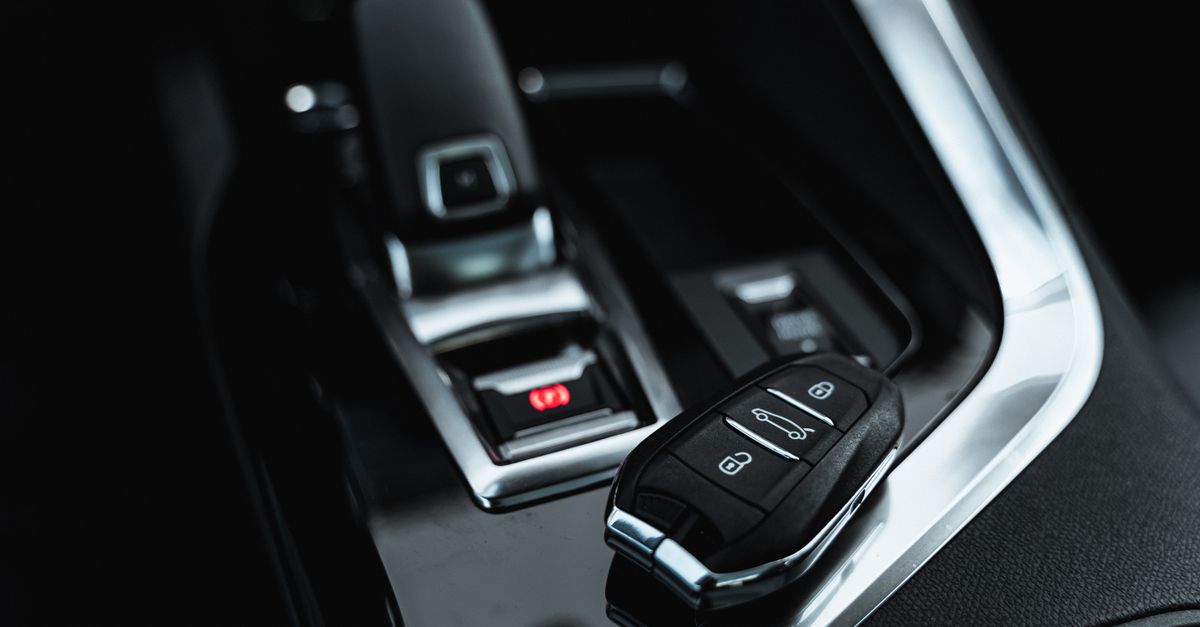
The process of replacing a vehicle key is not one-size-fits-all. A domestic pickup truck from the early 2000s might only need a mechanically cut key and a straightforward transponder clone, while a late-model European luxury sedan may require dealer-level OBD programming via a direct port connection to the vehicle's ECU before a new key will even turn the ignition. Toyota and Lexus keys, for example, often use an 80-bit DST encryption that demands specific software protocols. Ford and Lincoln models with PATS (Passive Anti-Theft System) require a two-key relearn procedure or a specialized bypass sequence handled entirely through our diagnostic tools — not through the vehicle dashboard. GM, Chrysler, Dodge, Jeep, and Ram vehicles each use proprietary immobilizer systems that respond to different software platforms. Honda and Acura keys are frequently cut on a laser machine for their internal side-cut groove, then programmed via a direct OBD connection. We carry tooling and software that spans domestic, Asian, and European brands, so your make and model determines our approach — not the other way around.
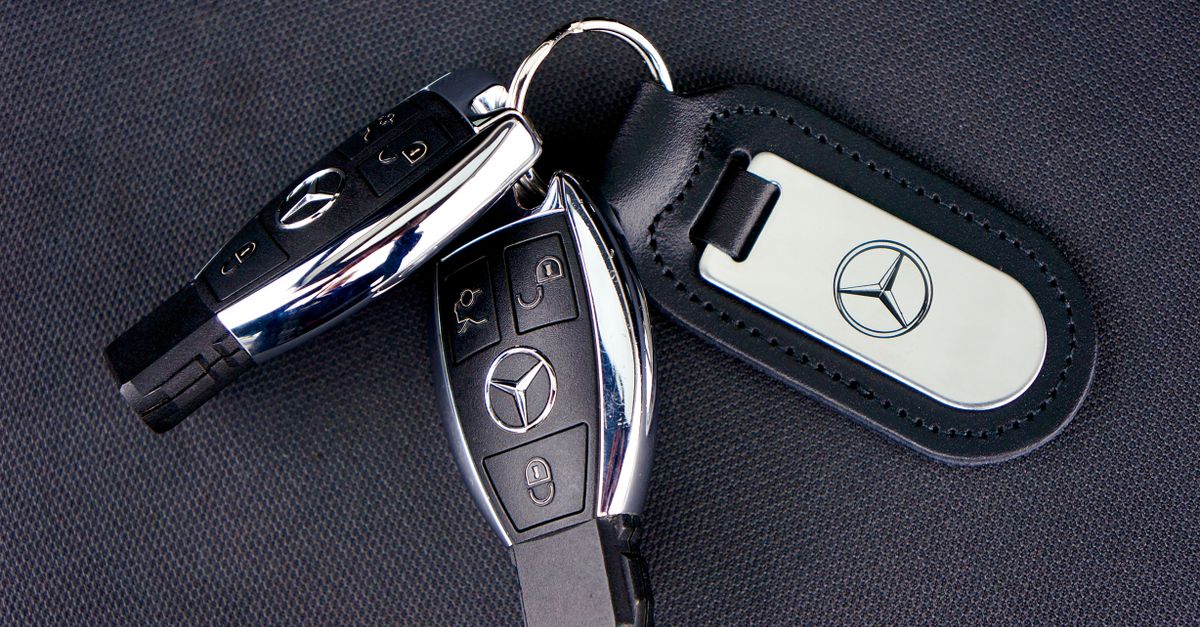
Luxury and high-security brands introduce additional layers. BMW vehicles with the CAS (Car Access System) module, Audi and Volkswagen models using the IMMO immobilizer generations 4 and 5, and Mercedes-Benz cars protected by infrared key technology all require brand-specific programming sequences. Our skilled technicians are trained on these platforms and bring the right equipment to your location, whether that's a neighborhood street in Cheltenham Township, a parking structure near Jenkintown Road, or your own driveway in Elkins Park. If you're unsure what type of key your vehicle uses, simply call 267-497-3060 and describe your make, model, and year — we'll confirm exactly what the job requires before we arrive.