McKinley Locksmith Service Team
Local locksmith team
Aug 6, 2026 9 min read
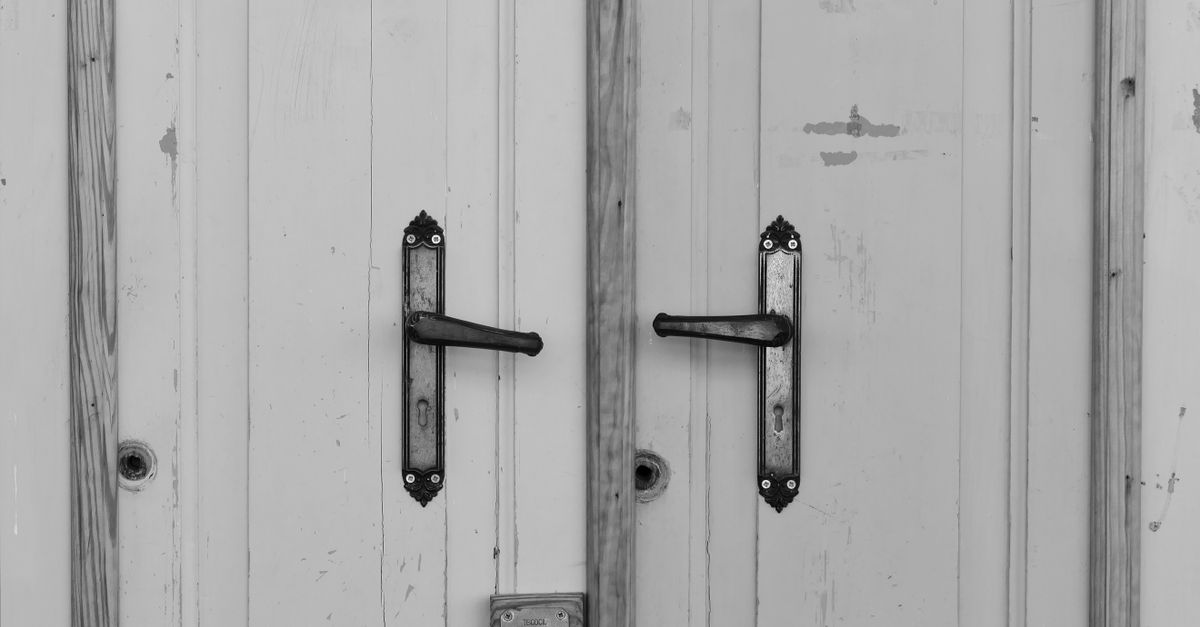
That familiar wobble when you grab your front door knob is easy to ignore — until it isn't. Maybe the latch stopped catching cleanly, or the knob spins without fully retracting the bolt, or you've noticed the whole assembly shifting when you push the door. For homeowners along Old York Road or over in the Elkin Park historic district, where many houses date back decades and original hardware is still in place, a loose door knob lock is one of the most common calls we get. The good news: some problems are a five-minute fix. Others are a sign that your lock is telling you something important about your home's security.
This guide walks you through why knob locks loosen over time, what you can actually do about it yourself, and — just as importantly — how to recognize when tightening things up isn't enough and a proper upgrade or mortise lock installation is the smarter call. We'll keep it honest and practical, because a wobbly lock isn't just annoying; on an exterior door it's a real vulnerability.
## Why Your Door Knob Lock Gets Loose in the First Place
Door knob locks are mechanical assemblies — screws, spindles, rose plates, and latch mechanisms — and every one of those components is subject to wear. The most common culprit is simply vibration and daily use. Every time the door is opened, closed, or slammed, the mounting screws in the rose plate work themselves slightly looser. Over months and years, that slight movement adds up to a genuinely wobbly knob. In older homes — and Elkins Park has plenty of them, with craftsman bungalows and twin homes built in the early 1900s — door frames may have settled unevenly, putting lateral stress on the lock body that accelerates the loosening process.
Other causes include stripped screw holes in an aging door (the screws turn but never tighten), a worn spindle that lets the knob rotate without engaging the latch mechanism, or a lock that was simply installed without the correct hardware for the door thickness. Exterior door knob locks face the additional challenge of temperature swings — the door expands and contracts seasonally, and the lock assembly has to flex with it. That flex gradually works connections loose. Interior locks tend to loosen more slowly, but bedroom and bathroom knobs see constant use and can become unreliable faster than you'd expect.
## Tightening a Loose Door Knob Lock: What You Can Do Right Now
Before calling anyone, check the obvious. Most standard door knob with lock assemblies use two visible screws on the interior rose plate — the decorative ring around the knob base — that pass through the door and anchor the entire assembly. Grab a Phillips-head screwdriver and tighten them. If the screws turn freely without biting, the holes are stripped. A quick field fix is to remove the screws, pack the holes with wooden toothpicks and a drop of wood glue, let it cure for an hour, then reinstall. This gives the screws fresh wood to grip. On a solid interior door this often holds for years.
If there are no visible screws, your knob uses a hidden set screw — look for a small slot or hole on the neck of the knob itself. Insert a small flathead or Allen key, find the set screw, and tighten it. That usually stops the spinning-without-latching problem. While you're at it, inspect the strike plate on the door frame. If the screws there are loose or the plate has shifted, the latch won't seat correctly even if the knob mechanism is fine. Replace short strike plate screws (typically half an inch) with three-inch screws that reach the door's structural framing — this single upgrade dramatically improves resistance to forced entry on any exterior door.
## When Tightening Isn't Enough: Reading the Real Warning Signs
There's a point where a door knob lock has given you everything it can. If the knob wobbles even after you've tightened all the screws, the internal spindle or chassis is worn out and the lock needs to be replaced, not repaired. Similarly, if the latch bolt doesn't spring back reliably, if the key turns stiffly or grinds, or if there's visible corrosion on the cylinder, those are signs of a lock that's functionally compromised. On an exterior door, a compromised lock isn't a minor inconvenience — it's an invitation.
Older knob lock cylinders are also worth scrutinizing from a security standpoint regardless of their physical condition. Standard knob locks — even a door knob with lock and key that feels solid — offer relatively modest resistance to forced entry compared to a deadbolt or a full mortise lock. If your exterior door relies solely on a knob lock with no deadbolt above it, that's a security gap worth addressing. This is a great moment to call McKinley Locksmith at 267-497-3060 for a quick assessment. We're mobile and available around the clock, so we can come to your Elkins Park home, evaluate what you actually have, and give you an honest recommendation — no pressure, just a clear picture of where things stand.
## Mortise Lock Installation: The Upgrade That Changes Everything
If your door is ready for a real security upgrade, a mortise lock is the professional's choice. Unlike a knob lock or cylindrical deadbolt that sits in a bored hole, a mortise lock is set into a pocket (the mortise) cut into the edge of the door. The result is a longer, heavier bolt, a more complex internal mechanism, and a lock body that is structurally part of the door rather than attached to its surface. Many of Elkins Park's older homes were originally fitted with mortise locks — if you've ever seen a large, rectangular faceplate on the edge of a vintage door, that's one. Re-installing or upgrading to a modern mortise lock on those doors is often straightforward because the mortise pocket is already there.
For doors without an existing mortise, our team can cut the pocket, fit a new mortise lock body, and install matching trim on both sides. We work with quality hardware from manufacturers like Schlage and handle everything from the initial assessment to the final hardware installation. A properly installed mortise lock significantly raises the effort required to defeat the door — and that deterrence factor matters. As a commercial locksmith service, we also install mortise locks on business doors throughout the area, so we bring that same precision and hardware knowledge to residential work. If you're thinking about this upgrade, the factors that determine the final quote include the door material and thickness, whether a new mortise needs to be cut, the specific hardware selected, and scheduling. We confirm an exact price before any work begins.
## Emergency Locksmith Help and Knowing When to Call
Some lock situations don't give you time to research. If you've come home to find a damaged knob lock — signs of tampering, a door that won't close securely, or a lock that's failed entirely — that's an emergency locksmith situation. Don't try to sleep on it and deal with it in the morning. McKinley Locksmith operates 24/7 specifically for these moments. We can be at your door in Elkins Park, whether you're near the Elkins Park SEPTA station or farther out toward Ashbourne Road, to assess the damage, secure your door that night, and plan any necessary hardware replacement.
It's also worth addressing a question we hear often: people wondering how to pick a door knob lock when they've locked themselves out. Our firm answer is that attempting to manipulate a lock without proper training and tools will almost always damage the cylinder, and DIY lock-picking instructions found online skip over the real risks entirely. The right approach when you're locked out is to check for a spare key with a trusted neighbor, look for an unlocked alternate entry point you own, or call a professional who can get you back in without damaging your hardware. Our team will verify ownership before any work, get you inside cleanly, and leave your lock in working order. If the existing knob lock is what caused the lockout — a failed mechanism, a snapped key — we can replace it on the spot. Call 267-497-3060 any time, day or night.
Frequently asked questions
Can I replace just the cylinder in my door knob lock without replacing the whole assembly?+
In many cases, yes. If the knob and chassis are in good physical shape but the cylinder is worn, corroded, or you've lost track of the keys, a cylinder replacement or rekey can restore full function without the cost of a full hardware swap. Our team will check whether the existing lock body is compatible with a new cylinder and whether it's worth preserving. If the lock is old, a low-security design, or the door has no deadbolt, we'll be straightforward about when a full replacement makes more sense for your security.
My exterior door has only a knob lock and no deadbolt — is that a problem?+
It's a meaningful vulnerability, especially on a primary entry door. A knob lock alone provides limited resistance to forced entry because the lock body can be attacked from the side of the knob itself. Adding a quality deadbolt above the existing knob lock is the most common upgrade, and for doors that can support it, a mortise lock installation combines both functions in a single, more robust assembly. We can evaluate your specific door and frame and walk you through the options that make sense for your home.
How do I know if my home's old lock is a mortise lock that can be restored versus one that needs to be replaced?+
The easiest indicator is the edge of the door. If you see a large rectangular metal faceplate recessed flush into the door edge — often three to five inches tall — that's a mortise lock housing. Many older homes in Elkins Park still have the original mortise pocket even if the mechanism inside is worn or missing. In most cases those can be fitted with a modern mortise lock body, which is much more economical than retrofitting a completely different lock type. We'll inspect the pocket depth, the door thickness, and the condition of the existing faceplate before recommending anything.
What factors affect the cost of a door knob lock replacement or mortise lock installation?+
Several things go into the final quote: the type of door and its material (solid wood, hollow core, metal, or fiberglass), whether an existing mortise pocket is present or needs to be cut, the specific hardware chosen, the time of day the work is performed, and the travel distance to your location. We always confirm an exact price with you before any work starts — there are no surprises after the job is done. Call 267-497-3060 to describe your situation and we'll give you a clear picture upfront.